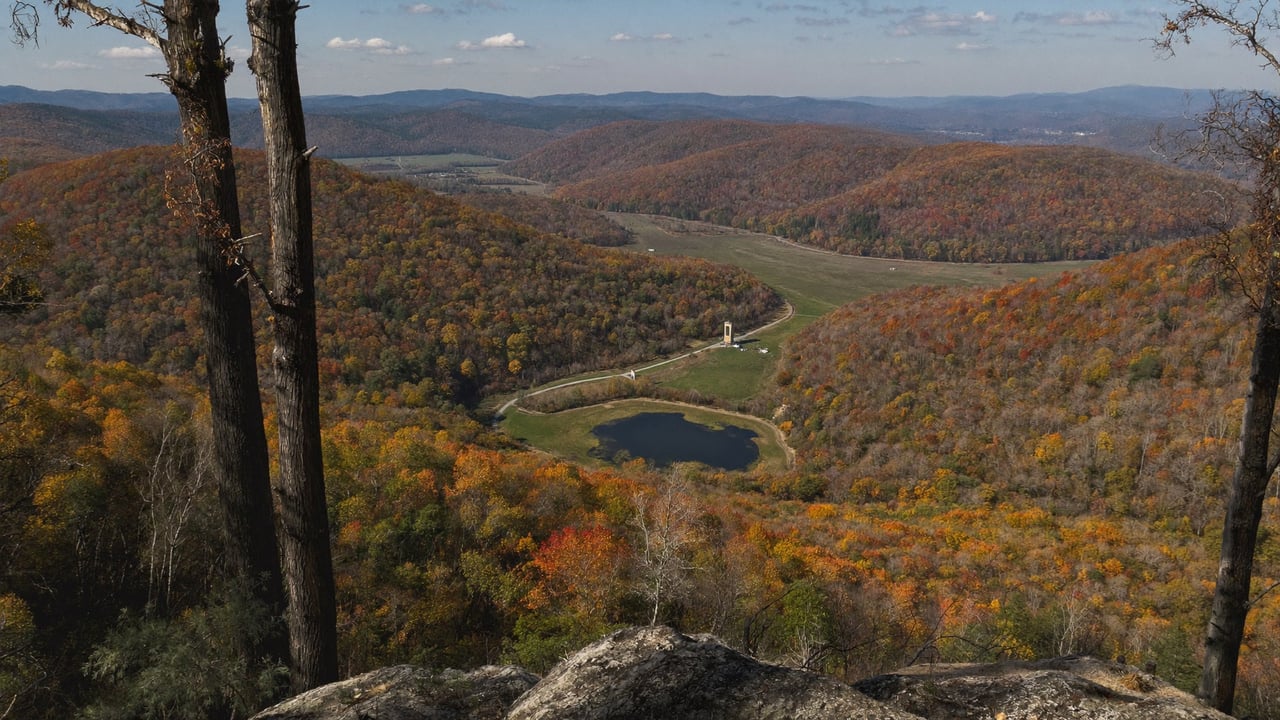
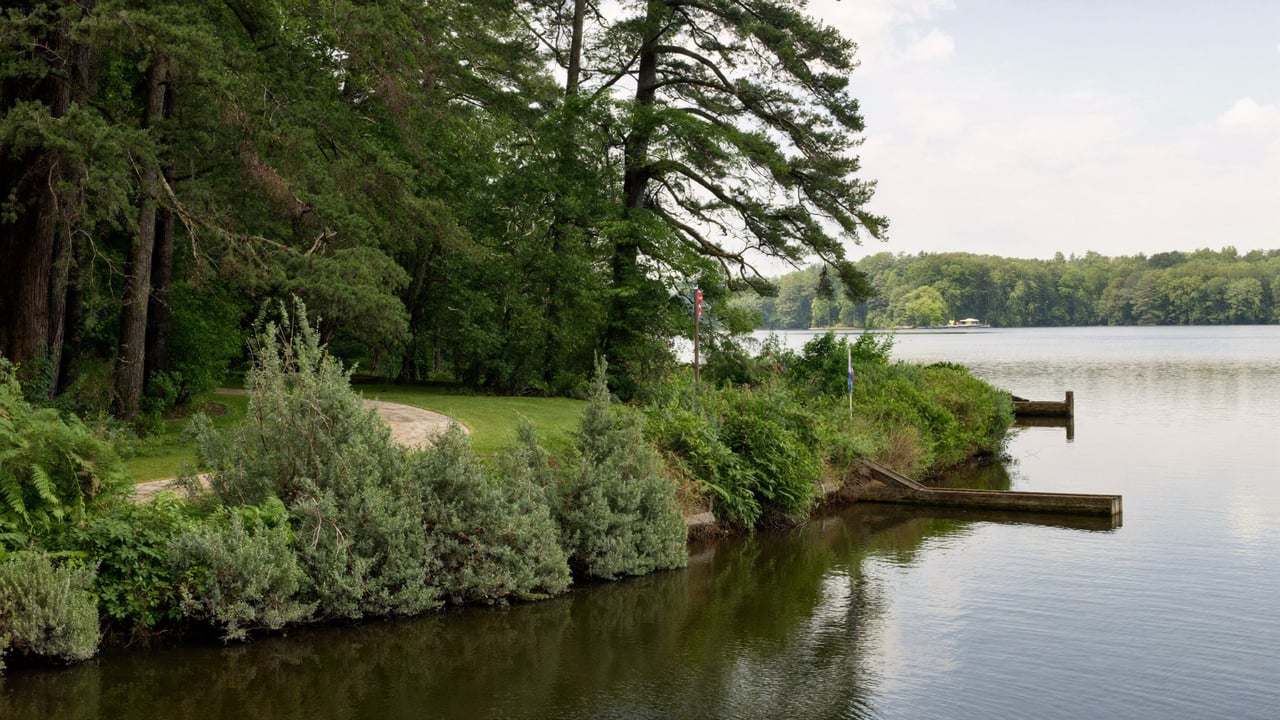
A buyer walks a dry, wooded lot two hundred feet back from Candlewood Lake, sees no water anywhere on it, and assumes wetlands are somebody else's problem. In Connecticut that assumption is backwards, and it is backwards for a reason written into the statute.
Connecticut does not define a wetland by standing water. It defines one by soil type.
What the statute actually says a wetland is
Section 22a-38(15) of the General Statutes defines "wetlands" as land, including submerged land, not regulated as tidal wetlands under sections 22a-28 to 22a-35, "which consists of any of the soil types designated as poorly drained, very poorly drained, alluvial, and floodplain by the National Cooperative Soils Survey, as may be amended from time to time, of the Natural Resources Conservation Service of the United States Department of Agriculture."
Read that again with a listing photo in mind. The test in that sentence is the soil designation, and there are four of them: poorly drained, very poorly drained, alluvial and floodplain. Only the first two are drainage classes. So a dry patch of woods can sit on a listed designation and be a wetland. A soggy corner may or may not, and even where the soil does not qualify, the same section can still reach it as a watercourse.
Because the test is soil, the statute defines who a soil scientist is. Section 22a-38(5) says the term means "an individual duly qualified in accordance with standards set by the federal Office of Personnel Management." The chapter does not say a soil scientist is the only person who may answer, so read that as the qualification the statute recognizes rather than a rule about who you must hire. What it plainly is not is a question you answer by looking at a lawn.
And the lake itself is a watercourse
Section 22a-38(16) defines "watercourses" as "rivers, streams, brooks, waterways, lakes, ponds, marshes, swamps, bogs and all other bodies of water, natural or artificial, vernal or intermittent, public or private, which are contained within, flow through or border upon this state or any portion thereof," excluding what is already regulated as tidal wetlands under sections 22a-28 to 22a-35.
Artificial counts. Candlewood Lake is a man made reservoir, and the definition names artificial bodies of water alongside natural ones. So does "intermittent," which the statute delineates by "a defined permanent channel and bank" plus two or more of: "Evidence of scour or deposits of recent alluvium or detritus," "the presence of standing or flowing water for a duration longer than a particular storm incident," and "the presence of hydrophytic vegetation."
That last one is what catches people on hillside lots above the lake. The seasonal channel that only runs in spring can be a regulated watercourse.
The upland review area is a town rule, not a state number
This is the part that gets misquoted most often, so here is the statutory text. Section 22a-42a(f) says that if a municipal inland wetlands agency regulates activities within areas around wetlands or watercourses, that regulation "shall (1) be in accordance with the provisions of the inland wetlands regulations adopted by such agency related to application for, and approval of, activities to be conducted in wetlands or watercourses and (2) apply only to those activities which are likely to impact or affect wetlands or watercourses."
The state authorizes the upland review area. It does not set its width. The distance is in each town's own inland wetlands regulations, and the five Candlewood towns do not have to match each other. Anyone who tells you Connecticut has one number for this is quoting a town, not the statute.
The practical consequence: on a lakefront or near lake lot, a shed, a patio, a retaining wall, a driveway regrade or a septic replacement can land inside a regulated area even though the wetland itself is on the neighbor's side of the line. Ask the town's inland wetlands office for the regulation and the mapped area before you plan anything.
What counts as a regulated activity
Section 22a-38(13) defines a "regulated activity" as "any operation within or use of a wetland or watercourse involving removal or deposition of material, or any obstruction, construction, alteration or pollution, of such wetlands or watercourses," excluding the activities listed in section 22a-40.
The statute's own definitions of the verbs are broader than most people expect. "Remove" includes "drain, excavate, mine, dig, dredge, suck, bulldoze, dragline or blast." "Deposit" includes "fill, grade, dump, place, discharge or emit." Grading is depositing. That single word turns a lot of routine landscaping into a permit question.
What is allowed as of right, and the trap inside it
Section 22a-40(a) lists operations and uses permitted in wetlands and watercourses as of right. Two of them matter on a lake lot.
Boat anchorage or mooring is on the list, at subdivision (3), in four words.
Uses incidental to the enjoyment and maintenance of residential property is subdivision (4), and it is where people stop reading. The full text limits the property to one "equal to or smaller than the largest minimum residential lot site permitted anywhere in the municipality," with a two acre default in towns with no zoning minimums. Then it says the incidental uses "shall include maintenance of existing structures and landscaping but shall not include removal or deposition of significant amounts of material from or onto a wetland or watercourse or diversion or alteration of a watercourse."
So maintaining what is already there is protected. Moving significant amounts of material from or onto a wetland or watercourse is not, even on your own residential lot.
Subsection (b) adds a separate category of nonregulated uses, including conservation and outdoor recreation such as swimming, boating, fishing and hiking, but only "provided they do not disturb the natural and indigenous character of the wetland or watercourse by removal or deposition of material, alteration or obstruction of water flow or pollution of the wetland or watercourse."
The permit process, and the myth about automatic approval
Section 22a-42a(c)(1) is the operative rule: once a town has adopted regulations, "no regulated activity shall be conducted upon any inland wetland or watercourse without a permit," and the application goes to the inland wetlands agency of "the town or towns wherein the wetland or watercourse in question is located," which on a lake bordering five towns is not always one agency.
A public hearing is not automatic. The agency holds one only if it determines the activity may have a significant impact, or if it finds a hearing would be in the public interest, or if "a petition signed by at least twenty-five persons who are eighteen years of age or older and who reside in the municipality in which the regulated activity is proposed" is filed within fourteen days of the date of receipt of the application.
Twenty five adult residents of the town, and fourteen days. They do not have to abut you or live anywhere near you. That is a low bar, and on a lake where communities are organized and talk to each other, it is a realistic one.
Now the myth. People say that if the agency misses its deadline the permit is automatically approved. The statute says the opposite. If the agency fails to act within thirty five days after the completion of a public hearing, or in the absence of a hearing within sixty five days from the date of receipt, or within any extension of either period allowed under section 8-7d, the applicant may file the application with the Commissioner of Energy and Environmental Protection, who reviews and acts on it. And then, in plain words: "The failure of the inland wetlands agency or the commissioner to act within any time period specified in this subsection, or any extension thereof, shall not be deemed to constitute approval of the application."
Missing a deadline moves the decision. It does not grant it.
The statute names neighbors near the wetland as possible appellants
Section 22a-43(a) sets out who may appeal a wetlands decision to Superior Court. Alongside the commissioner and "any person aggrieved," it names "any person owning or occupying land which abuts any portion of land within, or is within a radius of ninety feet of, the wetland or watercourse involved."
Ninety feet, written into the statute. On a lake with the lot sizes this one has, that describes a lot of neighbors, and it means an approved permit is not the last word until the appeal window closes.
Being named is not the same as having standing established. Subsection (b) lets the person who applied for the decision be made a party and then move to dismiss, and at that hearing "each appellant shall have the burden of proving such appellant's standing to bring the appeal."
The appeal itself "shall not stay proceedings on the regulation, order, decision or action, but the court may on application and after notice grant a restraining order."
Why this belongs in a title search, not just a conversation
Section 22a-44(a) lets the agency or its authorized agent issue a written cease and correct order by certified mail, with a hearing within ten days to show cause. Then comes the line every buyer should know:
"The agency may file a certificate of such order in the office of the town clerk of the town in which the land is located and the town clerk shall record such certificate on the land records of such town. Such certificate shall be released upon compliance with such order."
An unresolved wetlands order can be sitting on the land records of the property you are buying. The statute says the certificate shall be released upon compliance, and compliance can mean restoration work. The same subsection also lets the agency affirm, revise or withdraw its order after the show cause hearing.
One penalty provision is subsection (b): a civil penalty of "not more than one thousand dollars for each offense," and "in the case of a continuing violation, each day's continuance thereof shall be deemed to be a separate and distinct offense." Per day, not per project.
Subsection (c) is separate and heavier. For a wilful or knowing violation it provides a fine of not more than one thousand dollars for each day the violation continues, or imprisonment of not more than six months, or both, rising to not more than two thousand dollars a day for a subsequent violation.
What to actually do on a Candlewood lot
- Ask the town's inland wetlands office for the regulations and the mapped wetlands, by address, before you write an offer that contemplates building anything.
- Get the upland review distance from that town in writing. It is a local number and the towns around this lake set their own.
- If the answer matters to your plan, hire a soil scientist. The statute defines the qualification; a walk around the yard does not substitute for it.
- Have your attorney check the land records for a recorded order under 22a-44. It will not show up in a listing.
- Ask whether any existing structure needed a wetlands permit, and whether it got one. Not everything does: section 22a-38(13) excludes the activities specified in section 22a-40 from the definition of a regulated activity. Where one was required and not obtained, section 22a-44(a) reaches a person "conducting or maintaining any activity, facility or condition which is in violation," and the daily penalty language is in the statute.
- Treat the dock as its own separate question. Wetlands approval is not a dock permit, and the dock permit does not come with the house.
Two other pieces of due diligence nobody requires of you sit next to this one: nobody has to test the well, and Connecticut does not certify the person inspecting your septic. If you are working through what the shoreline itself is, start with who actually owns the shoreline and the four kinds of Candlewood waterfront.
Everything on this site is indexed by question in the full map of these guides.
Common questions
How does Connecticut define a wetland? By soil. Section 22a-38(15) defines wetlands as land, including submerged land, consisting of soil types designated poorly drained, very poorly drained, alluvial or floodplain by the National Cooperative Soils Survey of the USDA Natural Resources Conservation Service. What makes it a wetland is the soil designation rather than water standing on the surface.
Is Candlewood Lake a regulated watercourse even though it is man made? Section 22a-38(16) defines watercourses to include lakes and ponds "natural or artificial, vernal or intermittent, public or private."
How far from a wetland do the rules reach? The statute authorizes towns to regulate activities in areas around wetlands and watercourses under section 22a-42a(f), and limits that regulation to activities likely to impact or affect them. The distance itself is set by each town's own regulations, so ask your town.
Can I regrade my own yard without a permit? The statute's definition of "deposit" includes "grade," and section 22a-40(a)(4) excludes from its residential as of right allowance the removal or deposition of significant amounts of material from or onto a wetland or watercourse. Whether your yard is in one is the question to settle first, with the town.
If the commission misses its deadline, is my permit approved? No. Section 22a-42a(c)(1) says failure to act within the specified period "shall not be deemed to constitute approval of the application." The applicant may instead file with the Commissioner of Energy and Environmental Protection.
Can a neighbor appeal my wetlands permit? Section 22a-43(a) names the commissioner, any person aggrieved, and any person owning or occupying land "which abuts any portion of land within, or is within a radius of ninety feet of, the wetland or watercourse involved." Under subsection (b) an appellant still has to prove standing if the applicant moves to dismiss.
Would a wetlands violation show up when I buy? Only if someone looks. Section 22a-44(a) allows the agency to file a certificate of its order with the town clerk, who records it on the land records, released on compliance. That is a title search question for your attorney.
If you are looking at a lake lot and want the wetlands question answered before you write the offer rather than after, reach me through ConnorCTHomes.com.
Connor Kostyra, Licensed Real Estate Salesperson, CT Lic. RES.0836348.
Connor CT Homes is a marketing brand. Real estate services are provided through RE/MAX Rise, 1297 Main Street, Watertown, CT 06795.
This article is general information and is not legal or engineering advice. I am a real estate salesperson, not an attorney, a soil scientist or a wetlands consultant. Statutory language quoted here is taken from chapter 440 of the Connecticut General Statutes, titled Wetlands and Watercourses, sections 22a-38, 22a-40, 22a-42a, 22a-43 and 22a-44. Sections 22a-36 to 22a-45 are cited as the Inland Wetlands and Watercourses Act under section 22a-37. The text was as published by the Connecticut General Assembly and read on September 5, 2026. Municipal inland wetlands regulations vary town by town and change; confirm both the state text and your town's current regulations before relying on anything here.