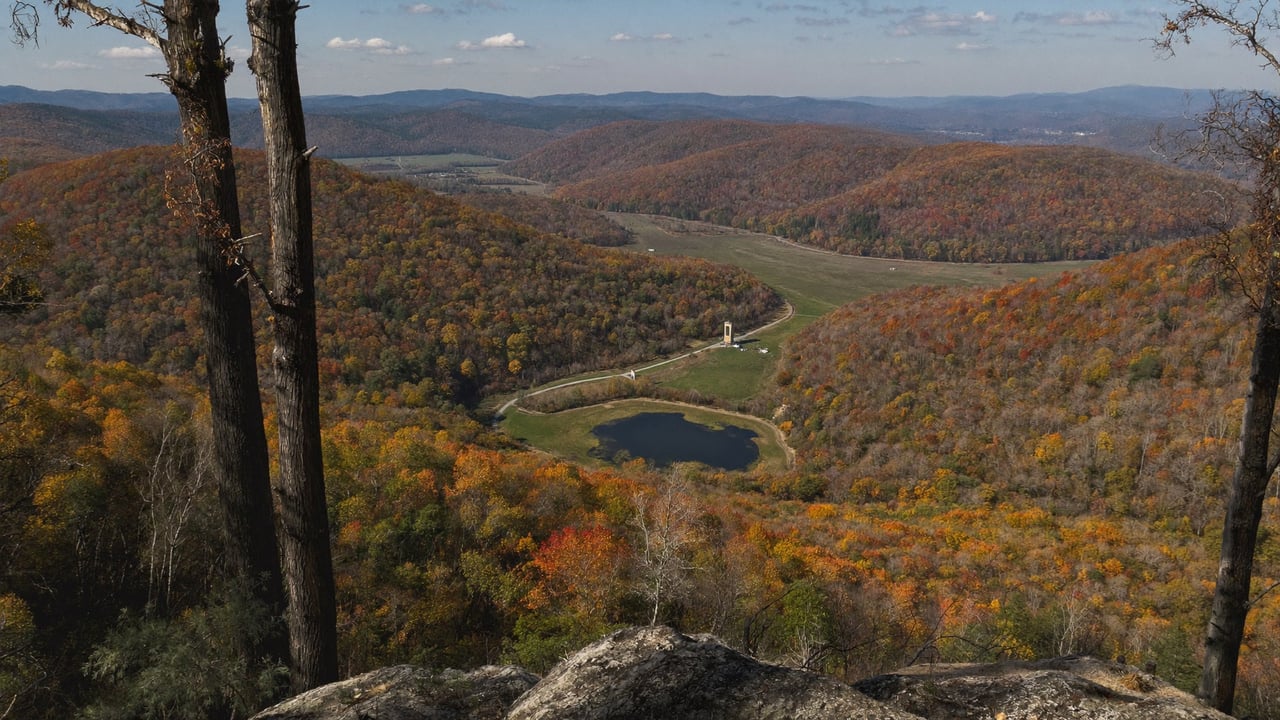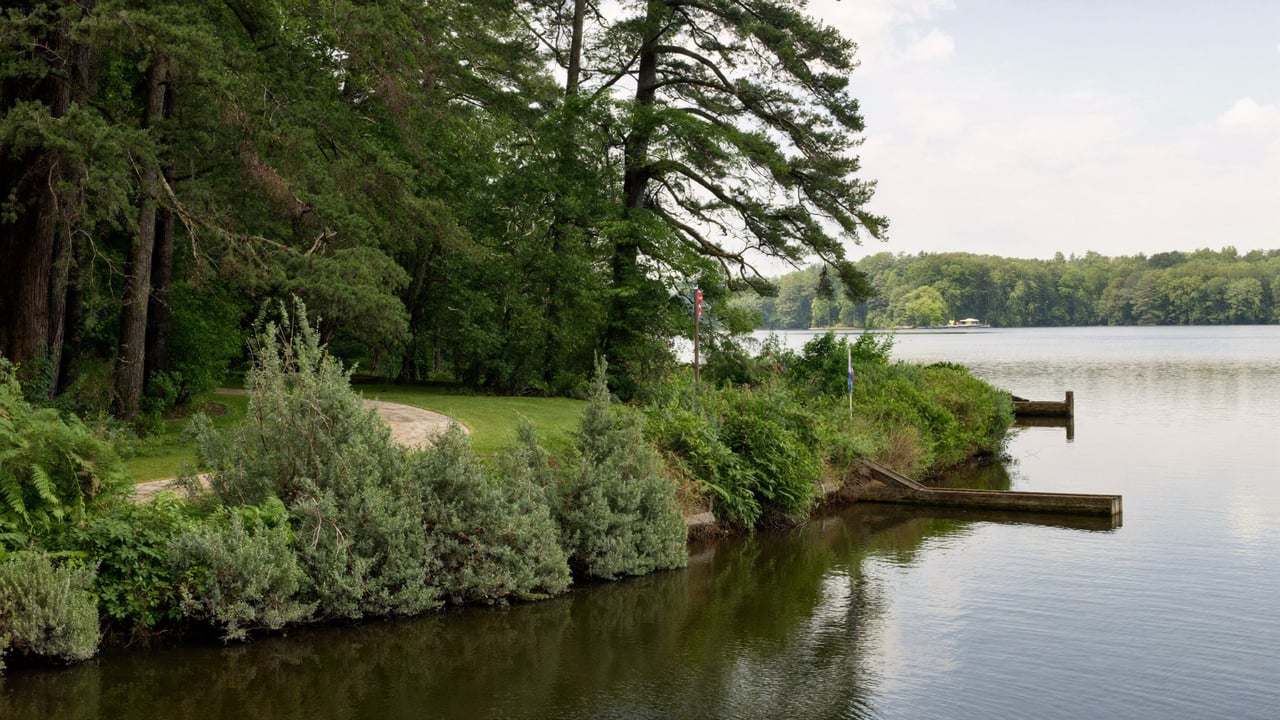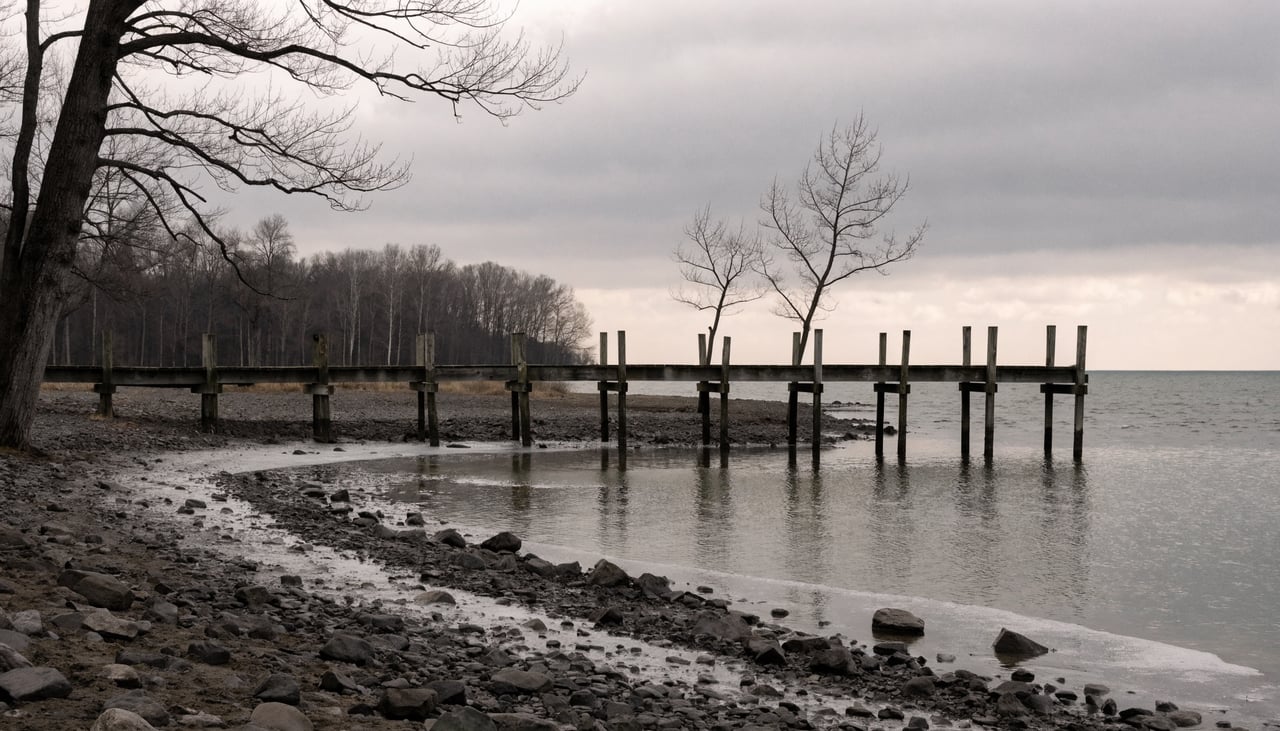
Going into the winter of 2025 and 2026, the plan for Candlewood Lake was a shallow drawdown. That is not what happened. A federal emergency order pulled the lake several feet lower than anyone around the shoreline had planned for.
With the next drawdown announcement due this fall, it is worth understanding exactly what happened, because it changed the assumption that the winter plan is a plan.
What was announced
FirstLight began the drawdown on Monday, January 19, 2026. Consulting parties had agreed on a shallow drawdown that year.
For orientation, the normal summer operating range on Candlewood is 429.5 feet to 427 feet. The shallow drawdown targeted 424 feet, with a winter operating range of 424 feet down to 422 feet. The Candlewood Lake Authority's own post of January 20, 2026 repeats those figures, adds that the drawdown "includes Squantz Pond," and gives FirstLight's automated lake level line, 888-417-4837, for daily water levels.
Roughly three to five feet below summer level. Enough to expose some shoreline. Not enough to strand most docks.
What actually happened
On January 25, 2026, the U.S. Department of Energy issued emergency order 202-26-03 under Section 202(c) of the Federal Power Act, directing additional generation to support grid stability during a sustained cold snap. The order was extended through February 14, 2026.
Candlewood is a pumped storage reservoir. When the grid needs power, the water in the lake is the fuel. So FirstLight lowered the lake from the planned 424 to 422 feet down to 420 to 418 feet, up to four feet below the announced plan.
FirstLight noted this was the first 202(c) emergency order the Department of Energy had issued to ISO New England since 2003.
That is the part worth sitting with. The shallow drawdown was not overridden by a local decision, a weather event, or a dam problem. It was overridden by federal energy policy during a cold snap, using an authority that had not been invoked in more than twenty years.
The refill held
One thing did not change. FirstLight stated that the refilling schedule would not change and that the lake would return to normal summer operating ranges before Memorial Day 2026.
That commitment matters. The deeper winter drawdown did not translate into a short summer.
What this means if you own on the lake
The announced depth is a plan, not a guarantee. This is the practical lesson. If your dock, lift, seawall, or mooring is engineered to the announced winter elevation with no margin, you now have a documented case of the lake going four feet past the plan on about a week's notice.
A deeper drawdown is a working window, if you are ready for it. Shoreline repair, seawall work, dock replacement, and crib repair are far easier with the water down. Owners who had permits in hand and a contractor lined up got an unexpectedly good work season. Owners who were still gathering paperwork watched it go by. Shoreline work on Candlewood generally requires approval, and that process takes longer than a cold snap. The same water level that makes repair work easier also decides what a listing photo can show, which is why the right time to list a Candlewood house depends on the water more than on the calendar.
Winter exposure is real. More exposed shoreline for longer means more freeze and thaw cycling on structures that are normally underwater. It is worth looking at your seawall and crib footings this fall rather than discovering a problem in May.
Ice was more dangerous, not less. FirstLight specifically cautioned that ice shelves, ice drifts, and other hazards regularly occur and could present a life-threatening situation. A lake dropping while it freezes leaves unsupported ice over open air near the shoreline.
What we know about the coming winter
As of early September 2026, FirstLight has not published a drawdown plan for the winter of 2026 and 2027. That is normal. These announcements typically come in the fall.
Two places to watch, and they are the only two worth watching:
- FirstLight's public notices, which is where the operator announces the plan.
- The Candlewood Lake Authority's drawdown page, which tracks and explains it locally.
Everything else circulating in local groups each fall is secondhand at best.
Why this belongs in a real estate conversation
Because drawdown depth is a diligence item that buyers routinely skip.
When you buy on Candlewood, you are buying a shoreline whose water level is operated by a power company under a federal license, and, as last winter demonstrated, occasionally under federal emergency direction. The elevation your dock was built for, the condition of the structures that spend part of each year exposed, and whether the previous owner did shoreline work with approval are all things worth establishing before closing rather than after.
The listing photos are always taken at full pool. The lake does not stay there.
Related reading: Candlewood's drawdown, in FirstLight's own words, where Candlewood's weeds went, and when they come back, Candlewood Lake water quality in 2025, read for a buyer, who actually owns the shoreline on Candlewood Lake, and how the five lake towns compare on mill rates.
If you are weighing a purchase or sale on Candlewood and want the shoreline questions handled before they become expensive, start at ConnorCTHomes.com.
Connor Kostyra, Licensed Real Estate Salesperson, CT Lic. RES.0836348.
Connor CT Homes is a marketing brand. Real estate services are provided through RE/MAX Rise, 1297 Main Street, Watertown, CT 06795.
Lake elevations and drawdown schedules are set by FirstLight under its federal license and are subject to change. Confirm current conditions and plans directly with FirstLight and the Candlewood Lake Authority.
More on how the lake is managed: the refill timeline, the islands closure, and who actually owns the shoreline.
Update, September 2026: what the Lake Authority was saying while it happened
The account above is built from FirstLight's notices and the federal order itself. The Candlewood Lake Authority's own board minutes, published as it went, add the part nobody announced: what the change was expected to cost and what it might buy. On January 14, 2026 its director of ecology reported that "there will be a shallow draw down which has begun," which is the winter the shoreline was promised. Four weeks later, on February 11, the same officer reported the reversal and its trade in one sentence: "FirstLight switched to a deep drawdown due to a federal order which was posted. We hoped a shallow drawdown would help with the plant population recovery; however, the deep drawdown could potentially be helpful for managing the zebra mussels." Read that as the Authority weighing a loss against a possible gain in real time, not as a finding. It is the clearest statement on record that the deeper winter was expected to set back the plant recovery this lake has been trying to engineer since 2022, and the only official suggestion that anything was gained. Each set of minutes prints that it is "not considered official until they have been approved at the next regularly scheduled meeting of the Candlewood Lake Authority."
Watch: who actually decides the Candlewood water level
The federal order and the licence language above take a few minutes to read. This is the same chain of decision explained out loud, which is usually the faster way to understand why your dock was dry in February.
Common questions about the 2026 Candlewood drawdown
What actually happened to Candlewood Lake in the winter of 2026?
The plan was a shallow drawdown and that is not what happened. FirstLight began the drawdown on Monday, January 19, 2026, targeting 424 feet with a winter operating range of 424 down to 422, which is roughly three to five feet below the normal summer range of 429.5 to 427. On January 25, 2026 the United States Department of Energy issued emergency order 202-26-03 under Section 202(c) of the Federal Power Act, directing additional generation to support grid stability during a sustained cold snap. FirstLight lowered the lake to 420 to 418 feet, up to four feet below the announced plan.
Why would a federal order change the level of a lake?
Because Candlewood is a pumped storage reservoir, which means that when the grid needs power, the water in the lake is the fuel. An order directing additional generation translates directly into a lower lake. FirstLight noted this was the first 202(c) emergency order the Department of Energy had issued to ISO New England since 2003. The shallow drawdown was not overridden by a local decision, a weather event or a dam problem. It was overridden by federal energy policy, using an authority that had not been invoked in more than twenty years.
Did the deeper drawdown shorten the 2026 summer season?
No. FirstLight stated that the refilling schedule would not change and that the lake would return to normal summer operating ranges before Memorial Day 2026. That commitment held, so the deeper winter drawdown did not translate into a short summer. It is worth separating the two questions when you hear people worry about a drawdown: how far down, and how long until it is back.
What does this mean if I own a dock or a seawall?
The announced depth is a plan, not a guarantee, and there is now a documented case of the lake going four feet past it. If your dock, lift, seawall or mooring is engineered to the announced winter elevation with no margin, that is worth re-examining. It cuts the other way too: shoreline repair, seawall work, dock replacement and crib repair are far easier with the water down, and owners who had permits in hand and a contractor lined up got an unexpectedly good working window. More exposed shoreline for longer also means more freeze and thaw cycling on structures that are normally underwater, so look at seawall and crib footings in the fall rather than discovering a problem in May.
Is there a drawdown plan for the winter of 2026 and 2027 yet?
Not as of early September 2026, and that is normal. These announcements typically come in the fall. Two places are worth watching and they are the only two: FirstLight's public notices, where the operator announces the plan, and the Candlewood Lake Authority's drawdown page, which tracks and explains it locally. Everything else circulating in local groups each fall is secondhand at best. One safety note while you wait: FirstLight cautions that ice shelves, ice drifts and other hazards regularly occur and can present a life threatening situation, and a lake dropping while it freezes leaves unsupported ice over open air.