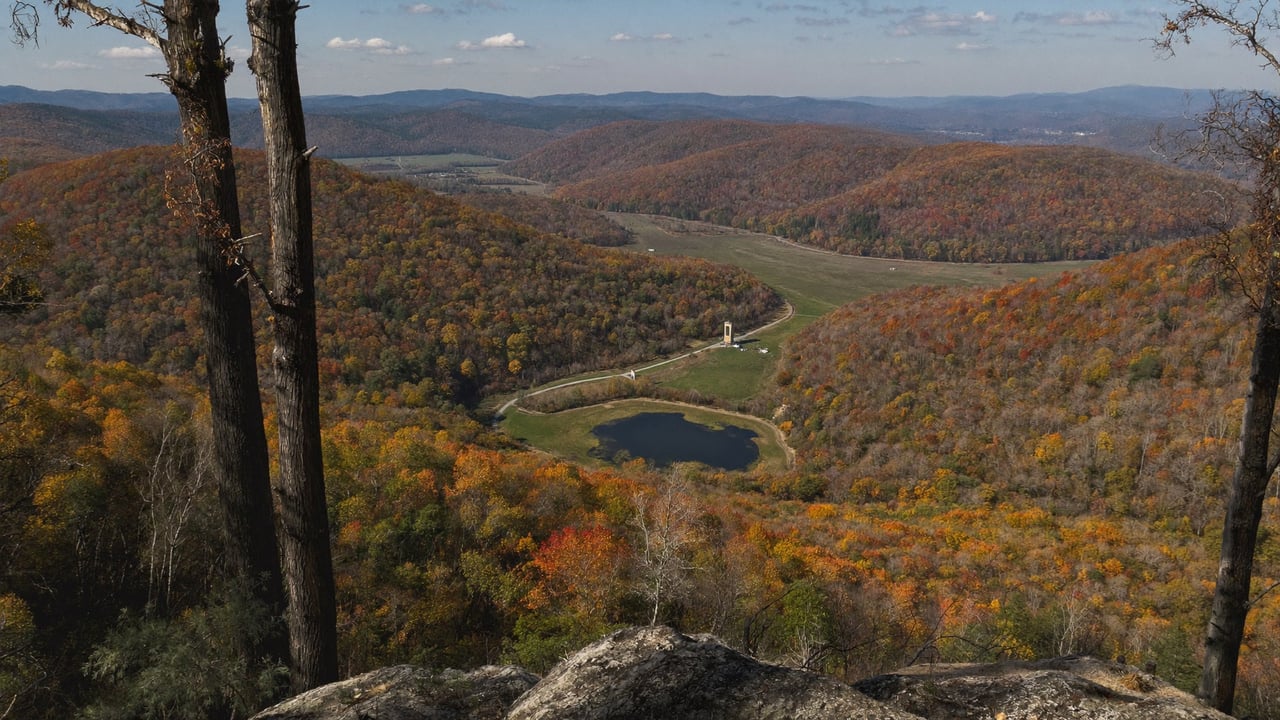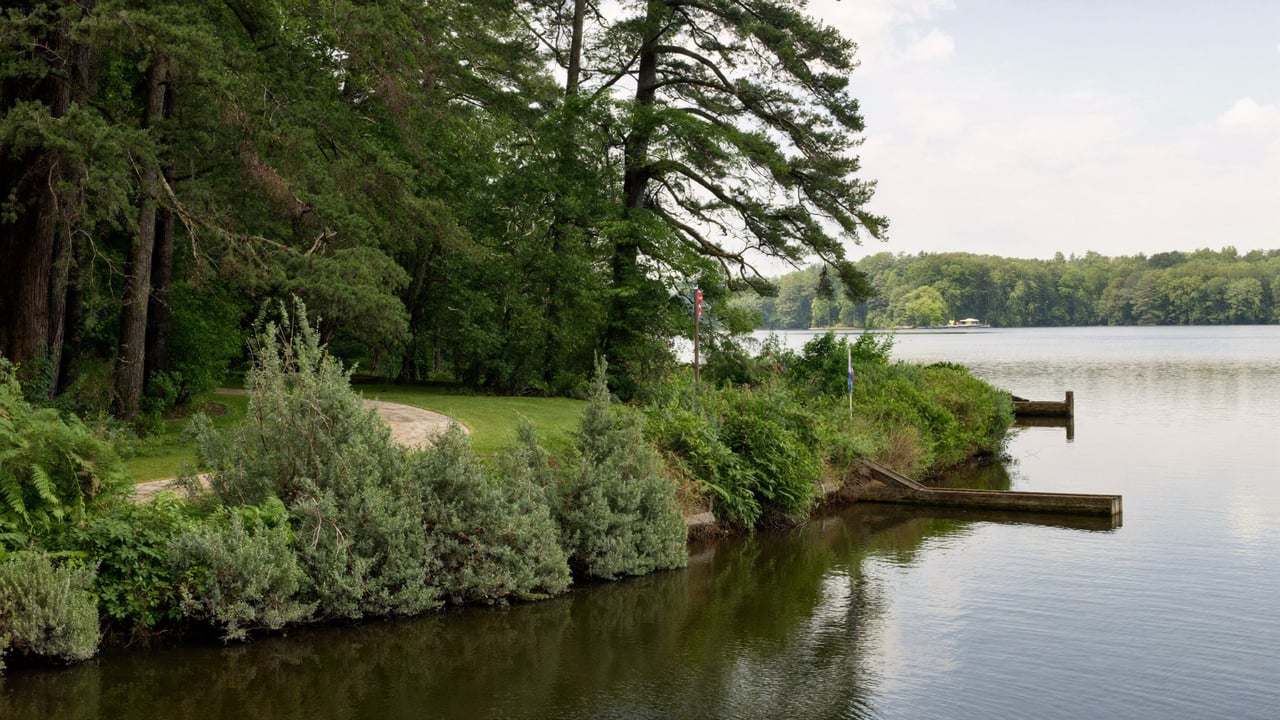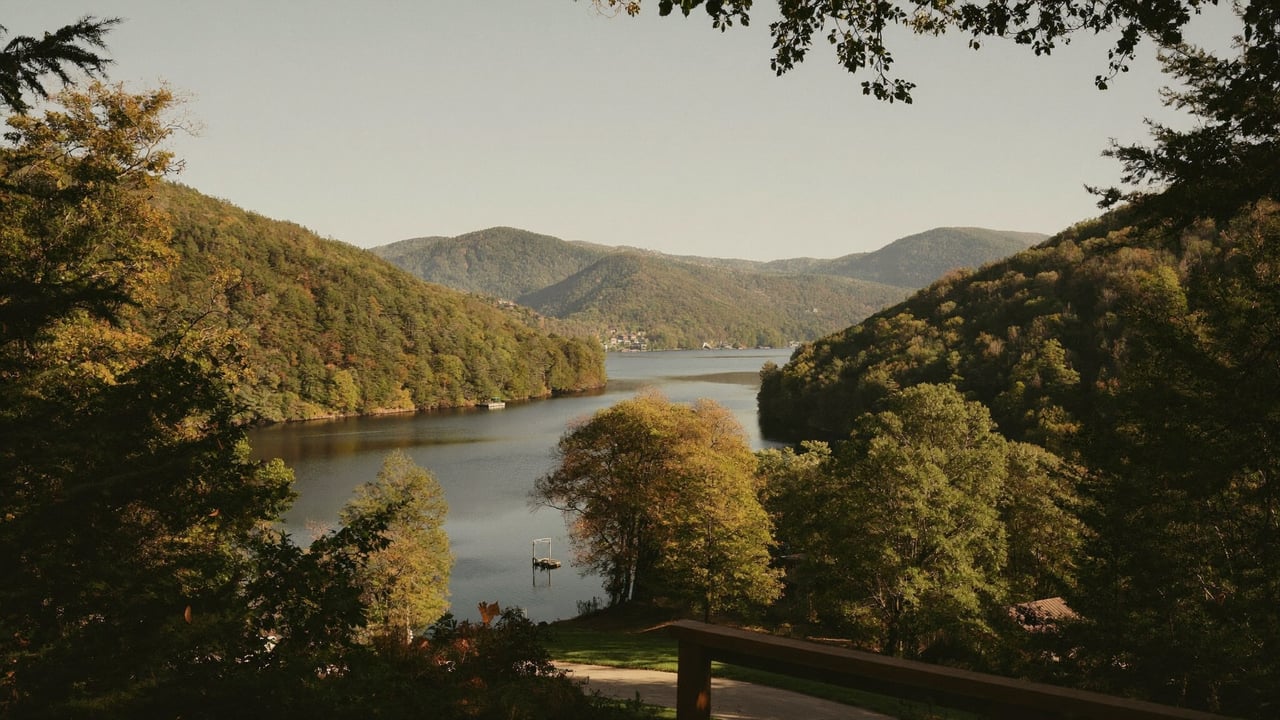
Three lakes within a short drive of each other in western Connecticut, and buyers routinely shop all three with the same mental model. That is the mistake. Candlewood Lake and Lake Lillinonah are hydroelectric reservoirs run by a utility under a federal license, with a permit layer between you and the water and a water level that moves on the operator's schedule. Bantam Lake is a natural lake with neither. Everything else about owning on them, from the dock to the winter to the neighbors, follows from that one difference.
I work all three. Here is how they actually compare, with every figure taken from the body that publishes it: the Candlewood Lake Authority, the Lake Lillinonah Authority, FirstLight, the Connecticut Department of Energy and Environmental Protection, and the White Memorial Foundation.
The three lakes at a glance
Candlewood Lake | Lake Lillinonah | Bantam Lake | |
|---|---|---|---|
What it is | Pumped storage reservoir, completed September 29, 1928, by damming the Rocky River | Reservoir formed in 1955 by the Shepaug Dam on the Housatonic | The largest naturally formed freshwater lake in Connecticut |
Who runs the water | FirstLight, under a federal hydro license | FirstLight, under a federal hydro license | No operator. State law and the towns. |
Size | About 5,420 acres, roughly 11 miles long and 2 miles across at the widest | About 1,900 acres by the Authority's count, or 1,547 acres between the dams by DEEP's; 12 miles from New Milford to the dam | About 947 acres |
Shoreline | About 65 miles | About 45 miles, 43 of them wooded | Roughly 60 percent held by the White Memorial Foundation |
Depth | About 85 feet at the deepest, off New Milford; average 29.3 feet | Up to 110 feet | 26 feet at the deepest; average 14.7 feet |
Towns | Brookfield, New Fairfield, New Milford, Sherman, Danbury | Bridgewater, Brookfield, New Milford, Newtown, Roxbury, Southbury | Litchfield and Morris |
Dock permit | FirstLight permit, issued to the owner, does not transfer on sale | Same FirstLight framework as Candlewood | No FirstLight. Town land use rules and state law apply. |
Winter water level | Managed drawdown of several feet from late fall to spring | A short fall drawdown of a few days for dam maintenance | Not managed for power. Freezes as a natural lake. |
State boat launches | Two on Candlewood, one on Squantz Pond | Brookfield ramp, Newtown park, George C. Waldo State Park | One, at 16 Palmer Road in Morris, year round |
Sources for every cell are listed at the end. Figures are the publishing body's own, rounded the way they round them. Lake Zoar, the third FirstLight lake, is covered separately in Lake Zoar for a second home. The natural lake gets its own piece too: Bantam Lake for a second home.
Candlewood: the full service lake, with the most rules
Candlewood is the big one. The Candlewood Lake Authority puts it at about 5,420 acres, roughly 11 miles long, with approximately 65 miles of shoreline, about 1,600 waterfront residences and about 6,000 resident vessels. It was built in a 26 month project finished on September 29, 1928, by damming the Rocky River, and it works as pumped storage: FirstLight pumps water up from the Housatonic and lets it back down through the turbines. FirstLight owns and operates it under a Federal Energy Regulatory Commission license.
Three things follow for an owner. The land between most deeded lines and the water sits inside a federal Project Boundary that FirstLight controls, which who actually owns the shoreline on Candlewood Lake explains. Every dock, lift and wall inside that boundary needs a FirstLight permit, and the permit is issued to the owner and does not transfer when the house sells, which is the whole subject of your Candlewood dock permit does not come with the house. And the water goes away every winter: FirstLight's September 2025 notice set the shallow drawdown to begin after November 1, 2025, targeting 424 feet against a summer range of 429.5 to 427, with a return to summer levels before Memorial Day 2026. Then a federal emergency order in January 2026 took it lower than announced, which Candlewood Lake's 2026 deep drawdown covers.
What Candlewood gives you in exchange is everything: marinas, five municipal beaches, two state launches plus one on Squantz Pond, the most lake communities, the most inventory in every category, and a lake authority with its own patrols. It also gives you the most traffic on the water and the most rules on the shore. If you want a boat in the water on Memorial Day weekend and a slip you can find, this is the lake. The Candlewood Lake overview is the starting point, and the four kinds of Candlewood waterfront explains what the listing terms mean before you tour.
Lillinonah: the same rulebook, a very different lake
Lake Lillinonah surprises people twice. First, it is under the same FirstLight framework as Candlewood. FirstLight's own permits page addresses anyone who owns property "on Candlewood Lake, Lake Lillinonah, Lake Zoar, or along the Housatonic River north of Lake Lillinonah to the Massachusetts border," and sends them to the same handbook. If you have read the Candlewood permit rules, you have read Lillinonah's.
Second, it feels nothing like Candlewood. The Lake Lillinonah Authority describes it as a flooded canyon: formed in 1955 when Connecticut Light and Power closed the Shepaug Dam for hydroelectricity, running 12 miles from New Milford to the dam, about 1,900 acres, 45 miles of shoreline of which 43 are wooded, hillsides that rise 200 feet or more from the water, and a maximum depth of 110 feet, which makes it deeper than Candlewood. It is narrow and river shaped, and it is the winter home to as many as 40 bald eagles that feed below the dam from November to March. The Authority lists a 45 mph limit in daytime and 25 mph from a half hour after sunset to a half hour before sunrise.
The water level is also managed differently. FirstLight's 2025 notice scheduled the Lillinonah drawdown at the Shepaug Dam to begin October 27, 2025, taking the lake from a summer range of 200 to 195.5 feet down to a target of 190.5, with a return to normal by November 5, 2025. That is a matter of days for dam inspection, not a five month winter. FirstLight still asks owners to pull docks and lifts for the winter to avoid ice and flood damage, so plan on the dock coming out either way.
Six towns border it, so the tax picture, the school district and the town land use office change as you move along the shore. Public access is through the Brookfield boat ramp, Newtown's park and George C. Waldo State Park, and the Lake Lillinonah Authority, funded by all six towns, runs the environmental, safety and recreation side, including a zebra mussel alert. Inventory is thinner than Candlewood and the shore is steeper, which is exactly what its owners like about it. The Lake Lillinonah overview goes deeper.
Bantam: the natural lake, and what that changes
Bantam Lake is the largest naturally formed freshwater lake in Connecticut, in the words of the state's own Department of Energy and Environmental Protection, which puts it at about 947 acres in the towns of Morris and Litchfield, with a maximum depth of 26 feet and an average of 14.7. That last figure matters: it is a shallow lake, warm in summer, and it is not a reservoir. Nobody pumps it, nobody draws it down for turbines, and there is no federal hydro licensee holding a boundary strip between your deed and the water.
The absence of FirstLight is the headline for a buyer coming from Candlewood, but it does not mean no rules. Shoreline work on Bantam is a matter for the town land use office in Morris or Litchfield and for state law, and you confirm the specifics with them rather than with a utility. The state launch at 16 Palmer Road in Morris is open year round with 20 spaces. DEEP posts a 6 mile per hour limit in Nick's Cove and no motors from 11 p.m. to 5 a.m., and the White Memorial Foundation notes that motor boats are allowed on the lake but no internal combustion engines are allowed on the Bantam River.
The other defining fact is who owns the shore. Alain and May White set out in 1913 to acquire and preserve all of the land around the lake, and the White Memorial Foundation, now about 4,000 acres of forest, fields and wetlands, holds roughly 60 percent of Bantam's shoreline. That is why so much of the lake looks the way it did a century ago, and it is also why buildable frontage is scarce. What is for sale is a smaller, quieter pool of houses on the developed stretches.
One thing to watch on a shallow, warm, natural lake is water quality in late summer. The Bantam Lake Protective Association publishes a cyanobacteria advisory it calls the Cyano Stoplight, along with a water level monitor, and a buyer should know how to read both before the first August. The Bantam Lake overview has the rest.
What is the same on all three
- Connecticut's boating law. The Safe Boating Certificate and vessel registration rules are statewide, and they reach property owners, not only residents. What Connecticut's new BUI law means for boaters covers the 2025 change.
- The lake house carrying column. Septic and well in most cases, flood insurance priced on the structure, and seasonal costs. What it actually costs to own a Candlewood lake house is written for Candlewood, but the column is the same shape on the other two.
- Pricing by category, not square footage. Direct frontage, deeded rights, community access and proximity are four different products on every lake.
Which lake fits which buyer
- You want the boat in the water on Memorial Day and a marina within ten minutes: Candlewood. Accept the permit layer and the winter drawdown as the price of the infrastructure.
- You want deep, quiet water and do not mind pulling the dock every fall: Lillinonah. Same permit rules as Candlewood, a fraction of the traffic, and a much shorter drawdown.
- You want a natural lake with protected shoreline and no utility in the middle of your dock question: Bantam. Expect fewer listings, a shallow warm lake, and a summer water quality advisory you should learn to read.
What to confirm before you write on any of them
- Which town, and what that town charges. Three lakes, twelve towns. Candlewood Lake towns' mill rates compared covers five of them; ask the town directly for the rest.
- Whether a FirstLight permit exists and in whose name, on Candlewood and Lillinonah. On Bantam, ask the town land use office what approvals the existing structures carry.
- What the frontage looks like at low water. Ask for winter photographs on Candlewood. Ask what the fall drawdown exposes on Lillinonah. Ask about late summer algae history on Bantam.
- How you get a boat in. Your own dock, a community slip, or the public launch, and how far the nearest marina is.
Update, September 2026: the four lakes as the state regulates them
Everything above compares these lakes by feel and by price. Connecticut's 2026 Fishing Guide compares them by rule, in one line each, and the differences are sharper than the brochures suggest. Candlewood is "5,064 acres" and carries a "45 MPH daytime speed limit. 25 MPH speed limit from 1/2 hour after sunset to 1/2 hour before sunrise." Lake Zoar, at "909 acres," carries exactly the same pair. Lake Lillinonah is far smaller than either at "328 acres," and its identical "45 MPH speed limit daytime, 25 MPH from 1/2 hour after sunset to 1/2 hour before sunrise" is bounded to a stretch, "From Bleachery Dam to the Shepaug Dam." Bantam is the outlier. At "947 acres" it is the second largest of the four, and the guide prints no speed limit for it at all. What it prints instead is a curfew: "Motors are prohibited 11 p.m. to 5 a.m." So a buyer who wants a fast boat and a long evening is looking at three lakes, not four, and a buyer who wants quiet after eleven is looking at exactly one. The fish rules diverge the same way. Lillinonah is the pike and muskie water, carrying a "Min. Length: 38 inches" and a "Daily Limit: 1 in aggregate." Bantam runs a three season northern pike calendar that closes outright, "From: March 1 to April 30" carrying a "Daily Limit: 0; Closed for Northern Pike fishing," and bans possessing one particular live fish outright: "Possession of live Tench is prohibited."
Common questions about choosing between the three lakes
Is Lake Lillinonah under the same rules as Candlewood Lake?
For shoreline permits, yes. FirstLight's permits page covers property owners on Candlewood Lake, Lake Lillinonah, Lake Zoar and the Housatonic River north of Lillinonah to the Massachusetts border under one handbook. The water level schedule is different: Lillinonah's 2025 drawdown ran from October 27 to a planned return on November 5, while Candlewood's runs from November into the spring.
Does Bantam Lake have a winter drawdown?
Not a managed one. Bantam is a natural lake with no hydroelectric operator, so there is no announced drawdown schedule the way there is on Candlewood and Lillinonah. It freezes as a natural lake does. The Bantam Lake Protective Association publishes a water level monitor.
Which of the three lakes is the deepest?
Lillinonah, at up to 110 feet according to the Lake Lillinonah Authority. The Candlewood Lake Authority puts Candlewood's maximum at about 85 feet near New Milford with an average of 29.3 feet. DEEP puts Bantam's maximum at 26 feet with an average of 14.7.
Do I need a FirstLight permit for a dock on Bantam Lake?
No. FirstLight's permitting covers Candlewood Lake, Lake Lillinonah, Lake Zoar and the Housatonic River north of Lillinonah. Bantam is not on that list. Shoreline work on Bantam goes through the town, Morris or Litchfield, and state law.
Which lake has the most public access?
Candlewood, by the Candlewood Lake Authority's count: two state boat launches on the lake, a third on Squantz Pond, and five municipal beaches. Lillinonah has the Brookfield ramp, Newtown's park and George C. Waldo State Park. Bantam has the state launch in Morris and the White Memorial Foundation's campground and trails.
Which lake is right for a second home?
The one whose rulebook you can live with. Candlewood has the most to do and the most rules. Lillinonah has the same permit rules and far less activity. Bantam has no utility layer at all, a protected shoreline, and the fewest houses for sale. Pick the rulebook first and the house second.
Sources: Candlewood Lake Authority, Fast Facts and Map page (acreage, dimensions, shoreline, depths, residences, vessels, towns, 1928 completion, launches and beaches, FERC license). Lake Lillinonah Authority, About page (towns, 1955 formation, dimensions, depth, shoreline, eagles, public access, funding). FirstLight, Connecticut permits page (the lakes covered by its permitting) and the September 16, 2025 drawdown notice for Lake Zoar, Lake Lillinonah and Candlewood Lake (dates and elevations). Connecticut Department of Energy and Environmental Protection, Bantam Lake Boat Launch page (947 acres, 16 Palmer Road, 20 spaces, year round, Nick's Cove limit, night motor restriction) and the draft Bantam Lake TMDL fact sheet (largest naturally formed freshwater lake, towns, 26 and 14.7 foot depths). White Memorial Conservation Center, Our Property page (1913, 4,000 acres, 60 percent of the shoreline, motor rules on the Bantam River). Bantam Lake Protective Association (Cyano Stoplight and water level monitor).
Related reading:the Candlewood Lake real estate guide and zebra mussels are in Candlewood, hydrilla is not yet, and Lake Waramaug for a second home, the natural lake that Kent, Warren and Washington share, with its own boat inspection rules.
If you are deciding between two of these lakes and want the honest version of each one's rulebook before you tour, reach me through ConnorCTHomes.com.
Connor Kostyra, Licensed Real Estate Salesperson, CT Lic. RES.0836348.
Connor CT Homes is a marketing brand. Real estate services are provided through RE/MAX Rise, 1297 Main Street, Watertown, CT 06795.
This article is general information for comparing three lakes, not legal advice and not a substitute for a survey, a title search or a conversation with the town land use office. Lake figures are the publishing bodies' own and are rounded as they publish them. Drawdown dates and elevations are from FirstLight's 2025 notice and change every year. Confirm current rules with FirstLight, DEEP and the town before relying on anything here.